The short answer: buy the Apple iPhone 18 Pro if you want the fastest chip, the strongest video and a deep ecosystem, and buy the Google Pixel 11 Pro if you prefer Android, Google’s AI and a lower starting price. Neither is a bad choice. Both phones are 6.3 inches, both cost $100 more than their predecessors, and both are excellent cameras. The decision is mostly about the software and the devices you already own.
Apple announced the iPhone 18 Pro on 9 September 2026 and it went on sale on 18 September, from $1,199. Google launched the Pixel 11 Pro on 12 August 2026 at $1,099, with wide availability from 20 August. This comparison focuses on the 6.3-inch Pro models. Both companies also sell larger versions.
At a glance
| Apple iPhone 18 Pro | Google Pixel 11 Pro | |
|---|---|---|
| US starting price | $1,199 (256GB) | $1,099 (256GB) |
| Display | 6.3-inch OLED | 6.3-inch LTPO OLED, 1-120Hz |
| Peak brightness | 3,000 nits outdoor (Apple) | 3,600 nits |
| Chip | A20 Pro (2nm) | Tensor G6 |
| Memory | Not listed by Apple | 12GB or 16GB |
| Storage | 256GB to 2TB | 256GB, 512GB, 1TB |
| Main camera | 48MP Fusion Main (24mm) | 50MP, f/1.7, OIS |
| Ultrawide | 48MP | 48MP |
| Telephoto | 48MP, 4x (100mm) | 48MP, 5x periscope |
| Wired charging | USB-C, about 50% in 15 minutes with a 60W-capable adapter | 30W |
| Wireless charging | MagSafe and Qi2, up to 25W | 25W, Qi2.2 |
| Weight | 211 g | 207 g |
| SIM | Dual eSIM only | eSIM only (US) |
| Software | iOS | Android 17 |
Design and display
Both phones are 6.3 inches and almost identical in size. The iPhone 18 Pro measures 71.9 x 150.0 x 8.75 mm and weighs 211 g, while the Pixel 11 Pro measures 152.7 x 71.9 x 8.4 mm and weighs 207 g. Apple kept the design of the 17 Pro and gave it a new back finish and a smaller Dynamic Island that can show three Live Activities at once. It comes in black, silver, glacier (blue) and burgundy.
Google’s Pixel 11 Pro comes in Canyon, Olive, Fog and Obsidian. Its 1.5K LTPO OLED panel is bright, reaching 3,600 nits at peak, up from 3,300 on the Pixel 10 Pro. Apple quotes 1,000 nits typical, 1,600 nits for HDR and 3,000 nits outdoors for the iPhone. Both refresh adaptively, and both are good screens, so the difference will not decide your purchase.
A new Pixel feature is HiLight, an LED that doubles as a notification light. The HotHardware review notes it is limited for now, because it cannot yet be set for messages or specific app alerts.
Performance
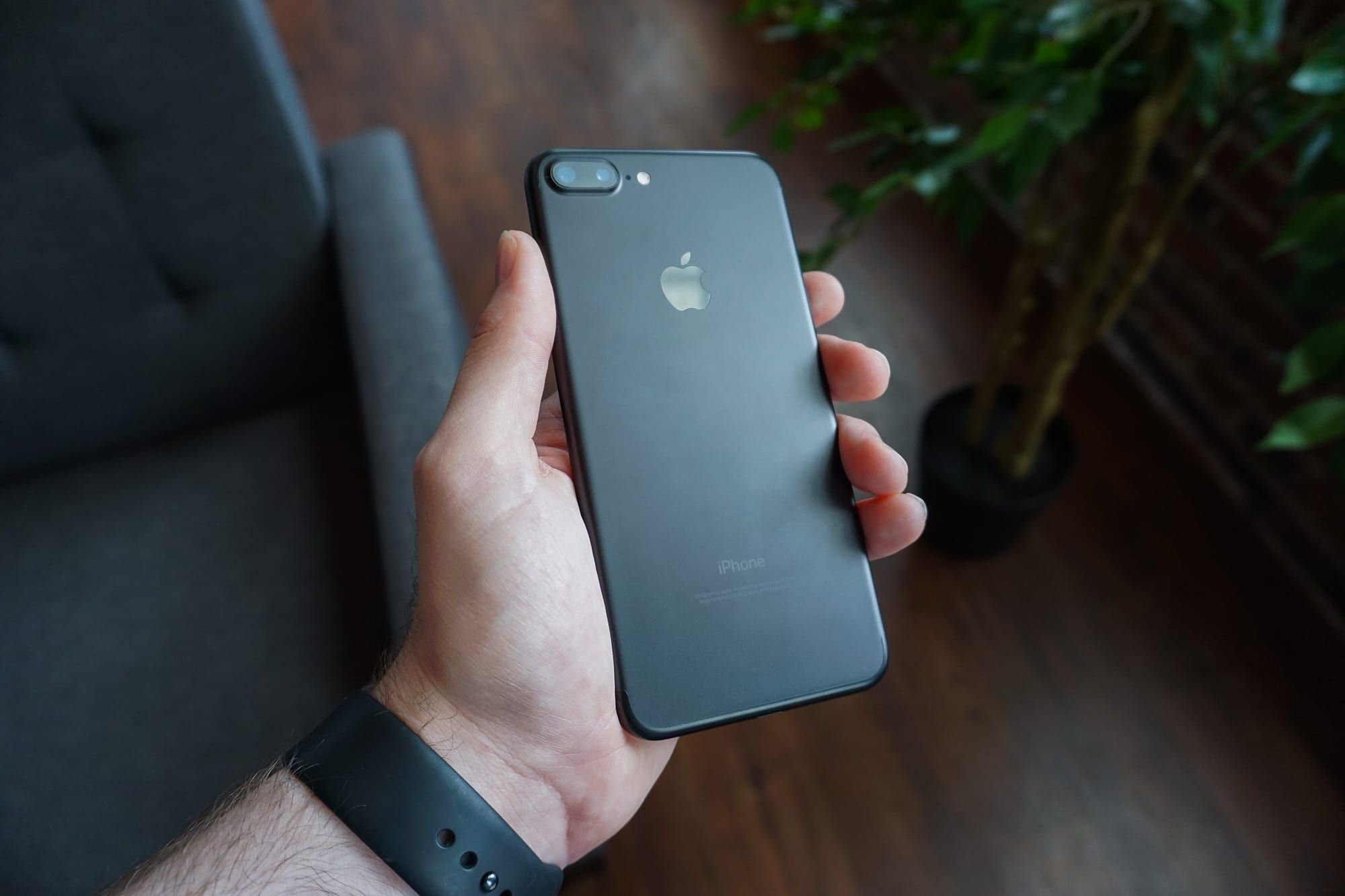
Apple iPhone 18 Pro
Apple's 2026 Pro iPhone with the A20 Pro chip, a 6.3-inch display, a triple 48MP camera system and a 2TB storage option.
From $1,199 (US, 256GB; on sale 18 September 2026)
The Apple iPhone 18 Pro uses the A20 Pro, Apple’s first 2nm chip. It has a 6-core CPU, a 7-core GPU Apple says is 40 percent faster, and a 32-core Neural Engine, and is linked directly to a vapor chamber for thermal management. In practice this means sustained gaming and video work without the heavy throttling older phones suffered from.
Google Pixel 11 Pro
Google's 2026 flagship with the Tensor G6 chip, a 6.3-inch LTPO OLED, a 5x telephoto camera and Android 17.
From $1,099 (US, 256GB, launched August 2026; retailer discounts reported)
The Google Pixel 11 Pro runs the Tensor G6, also built on 2nm, with a MediaTek M90 5G modem. HotHardware lists mid-range performance as a weakness of the Pixel 11 series, while praising the more efficient chip. Memory is a mixed story: the Pro now starts at 12GB, which reviewers noted is less base RAM than its predecessor, with 16GB on higher storage tiers.
For everyday apps, both phones are quick. If you play demanding games or edit video on your phone, the iPhone has a clear edge. If you care more about AI features and software polish than benchmark scores, the Pixel is entirely capable.
Cameras
The camera systems are close on paper.
| iPhone 18 Pro | Pixel 11 Pro | |
|---|---|---|
| Main | 48MP, variable aperture | 50MP, f/1.7, OIS |
| Ultrawide | 48MP (13mm) | 48MP, 123 degrees |
| Telephoto | 48MP, 4x | 48MP, 5x, OIS, f/2.8 |
| Zoom range | 8x optical-quality, 16x range | Pro Zoom up to 120x |
| Front camera | Not covered here | 42MP |
| Video | Apple’s video stack | Up to 8K at 30fps, 4K at 60fps |
Apple’s strength has long been video and consistency, and the iPhone 18 Pro brings a variable-aperture 48MP main camera to the smaller Pro model, plus faster night mode, manual aperture and shutter control, and more advanced photographic styles. Apple also introduced Apple Reference Image, which stores a reference image alongside edits to help verify a photo’s source.
Google leans on computational photography and zoom. The 5x periscope telephoto and Pro Zoom up to 120x are its headline features, and the 42MP front camera is a strength for selfies. If you shoot a lot of long-range photos, the Pixel’s longer optical reach is attractive.
Note
Camera quality is subjective. Look at sample images for the kinds of shots you take, such as low light, portraits and video, rather than relying on megapixel counts.
Battery and charging
Apple rates the iPhone 18 Pro for up to 36 hours of video playback, or 33 hours streamed, and says the Pro matches the 17 Pro Max’s endurance. Charging is USB-C with about 50 percent in around 15 minutes using a 60W-capable adapter and cable. MagSafe and Qi2 wireless charging both reach 25W.
The Pixel 11 Pro has a 4,850mAh battery, slightly smaller than last year, and supports 30W wired charging, 25W wireless charging and Qi2.2 magnetic charging. There is no charger in the box, so factor in an extra purchase.
Software and ecosystem
This is the real decision. iOS integrates tightly with Apple Watch, AirPods, Mac and iPad. The Pixel runs Android 17 with Google’s Gemini-powered features, and works best with Google services and Wear OS watches.
If you already own an Apple Watch and a Mac, switching is costly. If you use Android devices, Google Photos and Google Home, the Pixel feels natural. Messaging also matters: iMessage groups are hard to leave.
Connectivity and everyday features
The Pixel 11 Pro supports Wi-Fi 7, Bluetooth 6.0 with Low Energy, UWB and NFC, according to HotHardware’s review. Apple’s own specification page for the iPhone 18 Pro focuses on cameras, battery and charging, and lists a dual-eSIM-only design. Both phones are therefore modern on the wireless side, and neither is likely to feel dated for years.
The eSIM-only design matters if you travel often or swap SIMs. Most major carriers support eSIM, and travel eSIM services make it easy to add a local data plan, but check that your carrier will activate one and that any second line you use is supported.
Safety and health features, satellite connectivity and AI tools differ by region and software version, so check each company’s page for the features available in your country rather than assuming parity.
Storage: which size to buy
Storage is where flagship prices climb fastest. Both phones start at 256GB, which is enough for most people who stream music and video and keep photos in the cloud.
- 256GB: fine for typical use. Fill it with photos and a handful of apps and it lasts for years if you back up regularly.
- 512GB: a sensible step up if you shoot a lot of 4K video.
- 1TB and 2TB: for video creators and people who keep large offline libraries. The iPhone 18 Pro is the first iPhone with a 2TB option, while the Pixel 11 Pro tops out at 1TB.
Who should buy which
The iPhone 18 Pro suits you if:
- You use an Apple Watch, AirPods, iPad or Mac.
- You shoot a lot of video and want consistent results.
- You want maximum performance for gaming or editing.
- You like a long software life and strong resale value.
The Pixel 11 Pro suits you if:
- You prefer Android’s customisation and Google’s services.
- You want a 5x telephoto with long digital zoom.
- You want Qi2.2 charging and Wi-Fi 7 at a lower price.
- You are happy to wait for a retailer discount.
Switching between the two
Moving platforms is easier than it used to be. Apple offers a Move to iOS app for Android users, and Google offers tools to help iPhone owners switch. Before you move, check four things:
- Messaging. Move group chats to a cross-platform app if friends and family use mixed devices.
- Subscriptions. Apps bought on one platform do not transfer to the other, so list the ones you pay for.
- Accessories. AirPods work on Android but lose features, while Wear OS watches do not pair with iPhone.
- Backups. Make a full backup of photos and contacts before you wipe either device.
Tip
Whichever phone you choose, buy a case and screen protector at the same time. Flagships are expensive to repair, and a case is cheap insurance.
Price
The iPhone 18 Pro starts at $1,199 for 256GB, which is $100 more than the 17 Pro. The Pixel 11 Pro starts at $1,099, up from $999. Storage goes up to 2TB on the iPhone for the first time, while the Pixel goes to 1TB. Retailers have already discounted the Pixel, with prices of about $849 to $899 reported, so it is the better deal if you are patient.
Which should you buy?
- Choose the Apple iPhone 18 Pro if you use other Apple devices, want the fastest chip and the best video, or plan to keep the phone for years.
- Choose the Google Pixel 11 Pro if you prefer Android, want Google’s AI features, a 5x zoom and a lower price, or you are happy to wait for a discount.
If you are undecided, ask which ecosystem you want to be in in three years. That answer matters more than any spec on this page.