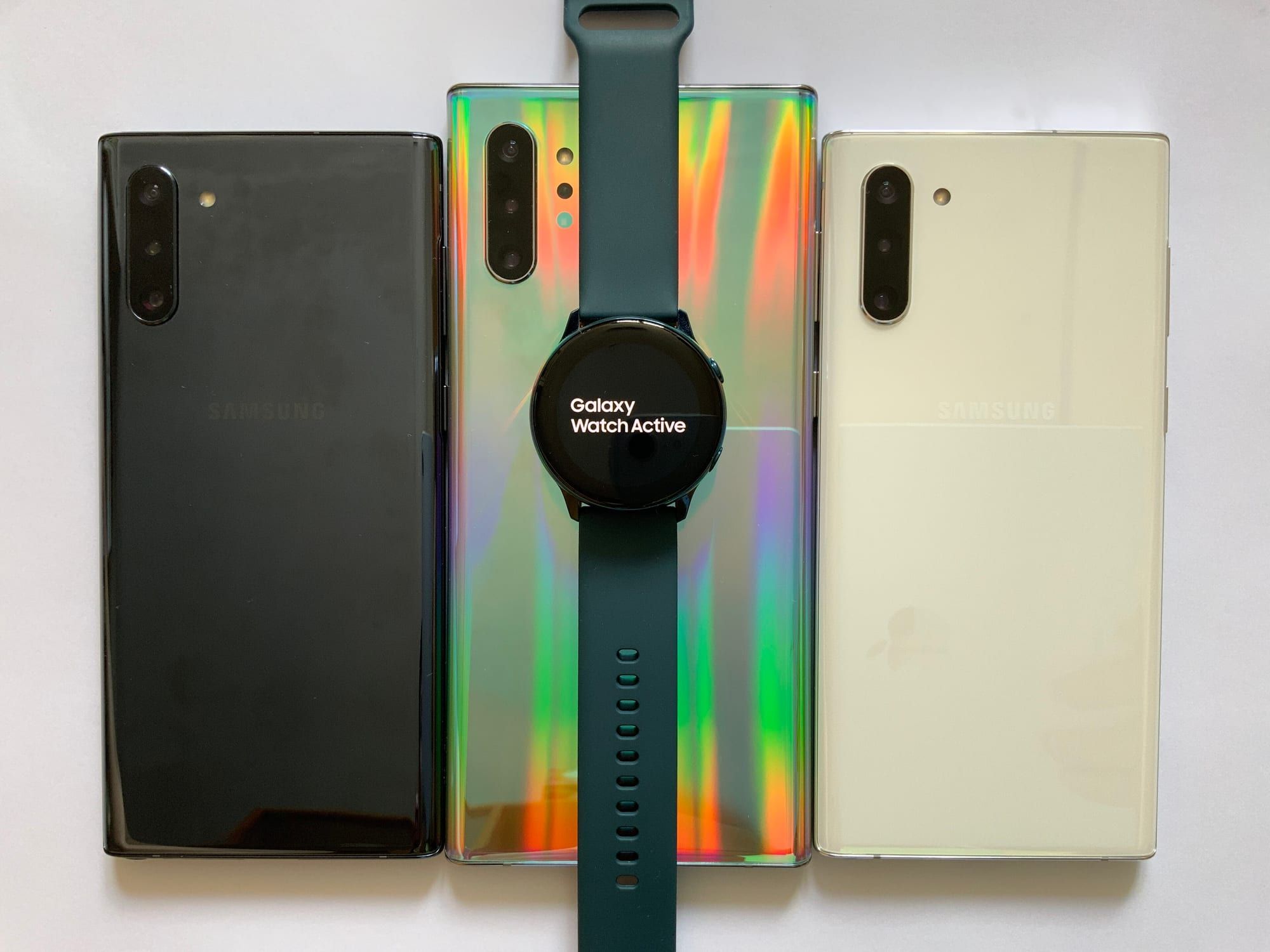
The best smartwatch for most Android users is the Google Pixel Watch 5. It runs Wear OS 7 with Gemini features, has a bright 3,000-nit display, and adds Satellite SOS and expanded health tracking. Samsung phone owners should look at the Samsung Galaxy Watch9. If battery life and training matter most, the Garmin Venu 4 lasts up to 12 days. And if you want Wear OS for less, the previous Google Pixel Watch 4 is still on sale.
Our picks at a glance
| Smartwatch | Best for | Price (US) | Battery | Software |
|---|---|---|---|---|
| Google Pixel Watch 5 | Overall | From $399 (41mm) | About 30 h (41mm), 40 h (45mm) always-on | Wear OS 7 |
| Samsung Galaxy Watch9 | Samsung phones | From $379 (40mm) | 390mAh (40mm), 445mAh (45mm) | Wear OS with One UI Watch |
| Garmin Venu 4 | Fitness, battery | $549.99 | Up to 12 days | Garmin OS |
| Google Pixel Watch 4 | Value | About $349 (41mm) | See Google’s page | Wear OS |
Prices are US figures from October 2026 and change often.
Google Pixel Watch 5: Best overall
Google Pixel Watch 5
Google's 2026 Wear OS 7 smartwatch with a Snapdragon W5 Gen 2 chip, Gemini features and expanded health tracking.
From $399 (41mm Wi-Fi); 45mm $429; LTE $499 and $529 (launched August 2026)
The Google Pixel Watch 5 was announced on 12 August 2026. It uses a Snapdragon W5 Gen 2 chip with 3GB of RAM and 64GB of storage, and a display that reaches 3,000 nits. The 41mm model has a 332mAh battery and the 45mm a 465mAh one. Google rates battery life at about 30 and 40 hours with the always-on display, and 48 and 72 hours in battery saver mode.
Wear OS 7 brings Gemini, and the watch adds Satellite SOS, a 5 ATM and IP68 rating, and new health features including blood-pressure pattern and insulin resistance tracking. These are wellness features and not medical diagnoses, so speak to a doctor for health concerns. Prices start at $399 for 41mm Wi-Fi, $429 for 45mm, and LTE versions are $499 and $529, which is $50 above the previous generation.
Choose it if: you have a Pixel or other Android phone and want the most complete Wear OS watch.
Samsung Galaxy Watch9: Best for Samsung phones
Samsung Galaxy Watch9
Samsung's 2026 Wear OS smartwatch with a Snapdragon Wear Elite chip, a bigger battery and 3,000-nit displays.
From $379 (40mm Bluetooth); 45mm Bluetooth $429; LTE $429 and $459 (on sale 7 August 2026)
The Samsung Galaxy Watch9 went on sale on 7 August 2026 with a Snapdragon Wear Elite chip, 3,000-nit displays and larger batteries of 390mAh (40mm) and 445mAh (45mm). Samsung’s prices start at $379 for the 40mm Bluetooth model, $429 for 40mm LTE or 45mm Bluetooth, and $459 for 45mm LTE.
It runs Wear OS with One UI Watch. Some health features need a Galaxy phone, so it is a better choice if you carry a Samsung handset.
Choose it if: you use a Samsung Galaxy phone.
Garmin Venu 4: Best for fitness and battery life
Garmin Venu 4
Garmin's AMOLED fitness smartwatch with multi-band GPS, up to 12 days of battery life and an LED flashlight.
$549.99 suggested price at launch (September 2025)
The Garmin Venu 4 is a bright AMOLED sports watch available in 41mm and 45mm sizes. Garmin rates battery life at up to 12 days in smartwatch mode and about four days with the always-on display, and one review averaged nine to ten days. It has multi-band GNSS, an ECG app and a flashlight.
The compromises are price at $549.99, no LTE, no onboard maps, and fewer smart features than Wear OS. It works with both Android and iPhone.
Choose it if: you train seriously and hate charging.
Google Pixel Watch 4: Best value Wear OS
Google Pixel Watch 4
Google's 2025 Wear OS smartwatch, still sold alongside the Pixel Watch 5 and a lower price entry point.
About $349 for the 41mm Wi-Fi model, roughly $50 below the Pixel Watch 5 (October 2026)
The Google Pixel Watch 4 is last year’s model, with a starting price about $50 under the Watch 5. Reviewers noted it outlasted the Galaxy Watch 8 and enjoyed its Gemini wrist-raise gesture. Check Google’s store for current availability and pricing.
Choose it if: you want the Pixel Watch experience for less.
Wear OS or Garmin?
The biggest decision is the platform, not the brand.
| Wear OS (Pixel Watch, Galaxy Watch) | Garmin (Venu 4) | |
|---|---|---|
| Apps | Google Play apps, maps, payments, voice assistant | Smaller app selection |
| Battery | Roughly one to two days | Up to 12 days |
| Notifications and replies | Rich, with replies and calls | Good, with fewer smart features |
| Training tools | Solid | Deeper analysis and recovery tools |
| LTE | Available on some models | Not on the Venu 4 |
| Works with iPhone | No | Yes |
| Best for | Smart features | Fitness and endurance |
If you want your watch to act like a miniature phone, with maps, a voice assistant and tap-to-pay, Wear OS is the answer. If you want a sports instrument that you charge once a week, choose Garmin.
Pixel Watch or Galaxy Watch?
Both run Wear OS, so the contest is about the phone you own and the details.
- Pixel Watch 5. Google’s software is front and centre, Gemini is built in, and the watch is designed to work with Pixel phones. It starts at $399.
- Galaxy Watch9. Samsung’s hardware and health tools shine on a Galaxy phone, and the 40mm size starts $20 cheaper at $379.
- Compatibility. Both pair with other Android phones, but each brand reserves a few features for its own devices. Samsung says some health features need a Galaxy phone.
If you own a Pixel, choose the Pixel Watch. If you own a Galaxy, choose the Galaxy Watch. If you own another Android brand, the Pixel Watch is the more neutral option.
Choosing the size
Smartwatch sizes are often a matter of wrist comfort first. The Pixel Watch 5 comes in 41mm and 45mm, with the 45mm carrying the larger battery at 465mAh against 332mAh. The Galaxy Watch9 comes in 40mm and 45mm, with 390mAh and 445mAh batteries. The Garmin Venu 4 comes in 41mm and 45mm. A larger case gives a bigger screen and longer battery life, while a smaller one is lighter and more comfortable for sleep tracking.
Health features: what to expect
Modern smartwatches measure heart rate, sleep, activity and often blood oxygen or ECG. Newer additions such as the Pixel Watch 5’s blood-pressure pattern and insulin resistance tracking are intended to help you spot trends, and they are not diagnostic tools. A smartwatch cannot replace a medical device or a doctor, so use the data as a prompt for questions rather than a diagnosis. Accuracy varies with fit, skin tone, movement and conditions.
Note
If you have a medical condition, discuss any health tracking with your doctor and do not change treatment based on a smartwatch reading.
LTE: do you need it?
An LTE watch can make calls, send messages and stream music without your phone nearby. It is useful for runners, swimmers and parents who want to leave a phone at home. The cost is a higher watch price (LTE versions of the Pixel Watch 5 are $100 above the Wi-Fi models) and a monthly plan from your carrier. Check that your carrier supports your watch before you buy. If your phone is always nearby, a Bluetooth and Wi-Fi model is cheaper and lasts longer.
Making the battery last
- Turn off always-on display if you can live without it. It is the biggest drain on Wear OS watches.
- Use battery saver for long days. The Pixel Watch 5’s saver mode stretches the battery to 48 or 72 hours, depending on size.
- Charge at a regular time. Charging while you shower or work is easy.
- Limit GPS and continuous heart-rate tracking to when you actually need them.
- Keep it updated. Software updates often improve battery use.
A note on prices
Smartwatch prices have risen this year. The Pixel Watch 5 is $50 above its predecessor, and Samsung’s Galaxy Watch9 starts around $30 higher than the previous generation, according to launch coverage. Retailers discount watches steadily after launch, particularly around Black Friday, so if you can wait a few weeks the same hardware may cost noticeably less.
Software and updates
A smartwatch is only as good as its software support. Wear OS watches receive updates through Google and the maker, and the Pixel Watch 5 launches with Wear OS 7. Garmin updates its watches through its own app. Check how long each maker promises updates, as this affects how long the watch stays useful and secure.
Before you buy
- Check that the watch supports your phone model and Android version.
- Check return policies, especially for health-related fit issues.
- Think about straps and cases, since replacement bands vary by brand and are an extra cost.
- Consider insurance or a protective case if you are active.
What to look for
Tip
Check phone compatibility first. Wear OS watches need an Android phone, and some features are limited to one brand.
Battery life
Wear OS watches last a day or two. Garmin lasts over a week. Choose according to how you feel about nightly charging.
Health and fitness
Heart-rate, sleep and workout tracking are standard. Garmin leads on training analysis, and Google and Samsung lead on wellness integration.
Size and fit
A watch is worn all day and night. Try the size on your wrist if possible.
LTE
Cellular lets you leave your phone behind but needs a plan and adds cost.
Ecosystem
Pixel Watch features lean on Google, Galaxy Watch on Samsung, and Garmin is brand-neutral.
Which should you buy?
- Most Android users: the Google Pixel Watch 5.
- Samsung phone owners: the Samsung Galaxy Watch9.
- Athletes and battery fans: the Garmin Venu 4.
- On a budget: the Google Pixel Watch 4.
How we chose
We compared official specifications and pricing as of October 2026, alongside the consensus of established independent reviews. We weighed battery life, software, health features, phone compatibility and price.